
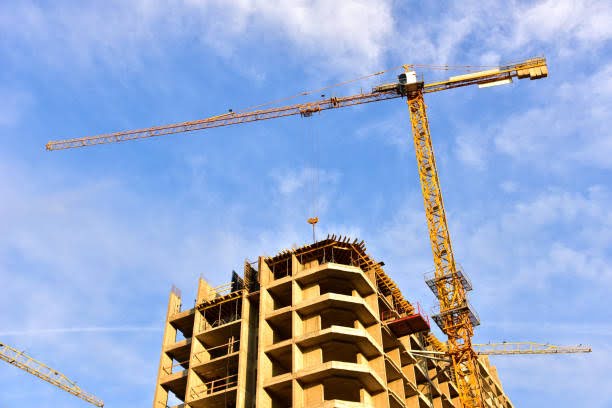
At Urban Green Consultants, we often find ourselves joining a project after key design decisions have already been made. This can be a challenge, but also a powerful opportunity. One hotel project we recently worked on illustrated this perfectly.
From the outside, the development looked promising. A well-located hotel, thoughtfully planned layouts, and a client eager to achieve IFC EDGE certification. But when we stepped in to evaluate its performance, the results were concerning. The building was significantly off-track, particularly in the materials category. And the reason was clear: the project was using an excessive amount of concrete.
Concrete is one of the most widely used construction materials in the world, and one of the most carbon-intensive. Globally, cement (the key ingredient in concrete) is responsible for around 8% of total CO₂ emissions. That’s more than the emissions from all the world’s aviation combined. So, when a building uses concrete indiscriminately, it’s not just a design issue, it’s a climate issue.
In this case, the design team had already locked in a conventional solid slab system without fully evaluating its implications. It had become the default, not the deliberate.
When we ran our EDGE materials analysis, the numbers spoke for themselves: the embodied carbon performance was failing by a considerable margin. Simply put, the project was not going to pass.
This wasn’t a small issue. Certification was a client requirement, and unless we found a solution, the project risked serious delays or even rework. But changing a core element of the construction methodology mid-design is no small ask. Naturally, the design team pushed back. It meant revisiting structural assumptions, rechecking specifications and reconsidering the way they’d always done things.
Still, we pushed forward with data in hand.
Through collaborative design workshops, we explored alternatives and ultimately proposed switching to a hollow pot slab system. This system reduces the amount of concrete used without compromising structural integrity. The design team had initial concerns, particularly about acoustics, which is understandable for a hospitality project. But our review of other hotel developments using this system demonstrated that with proper detailing, acoustic performance remained within acceptable ranges.
The results? A dramatic turnaround.
We not only brought the project back into compliance with EDGE certification requirements, but also made real progress in reducing the environmental impact of the building materials we used. After improving the design, the building’s final embodied carbon, that is, the amount of carbon dioxide released in producing and transporting all the materials, was measured at 301 kgCO₂e/m2. This means we reduced the building’s material-related emissions by 27% compared to a typical baseline building. Altogether, these improvements mean our project isn’t associated with 2,860 tonnes of carbon dioxide emitted had we opted for standard/conventional materials.
Better yet, the switch to hollow pot slabs ended up saving the client money. Less concrete, lower costs and a certified green building, without compromising quality.
This project is a reminder that sustainability isn’t just about technology or ticking boxes, it’s about asking the right questions. Why this material? Why this method? What else is possible?
And sometimes, those questions lead to answers that are better for both the planet and the bottom line.

Leave a comment