
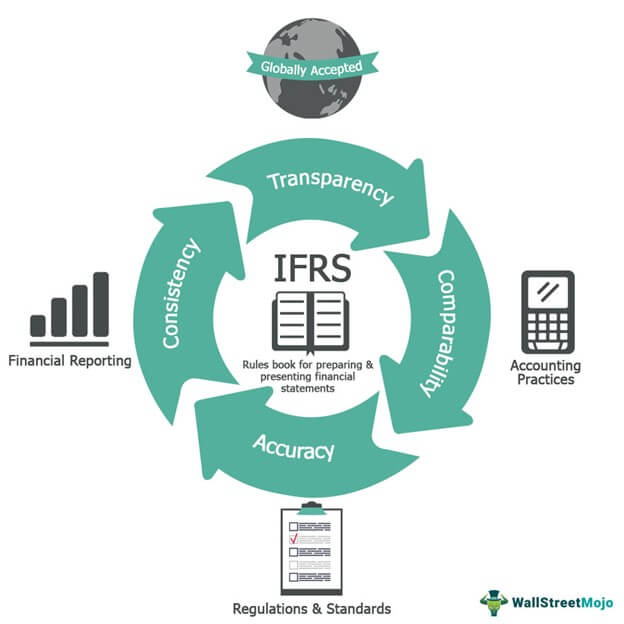
If you own or manage commercial property in Kenya, you have roughly two years to get your sustainability reporting in order. From 2027, Public Interest Entities will be required to report under the IFRS Sustainability Standards framework (icpak) and the preparation needed to get there is more involving than most organizations realize.
This isn’t a compliance formality. It’s a fundamental shift in how organizations measure and communicate their performance.
What sustainability reporting actually involves
At its core, sustainability reporting asks two questions: how does your business affect the world around it and how does the world affect your business? These questions are answered through what’s called a materiality assessment.
There are two approaches. Single materiality looks at how sustainability issues; climate risk, energy costs, water scarcity, etc. affect your financial performance. Double materiality goes further, asking how your operations impact society and the environment as well. Under IFRS standards, both matter.
In practice, this means collecting real operational data across your business. Under IFRS S2, companies are required to report greenhouse gas emissions in three categories: Scope 1 covers direct emissions from your operations, Scope 2 covers the energy you purchase and Scope 3 covers indirect emissions across your supply chain , typically the hardest to measure.
For most organizations, gathering this data is where the real work begins. It’s not something you can pull together in the weeks before a deadline.
Why real estate firms face a particular challenge
Property developers, commercial building owners, real estate funds and large asset managers aren’t just dealing with reporting obligations. They’re managing assets whose performance; energy use, water consumption and carbon output sits at the center of what needs to be disclosed.
A commercial building that has never been measured against a sustainability benchmark is essentially a data gap. A portfolio full of data gaps is a reporting problem.
Where UGC comes in
We work in the built environment, which means the data sustainability reporting requires is largely data we already produce. When we certify a building under EDGE or LEED, run an energy model, perform post certification tracking or complete a carbon audit, we’re generating exactly the kind of measurable, verifiable information that IFRS disclosures are built on.
We’re not retrofitting sustainability onto businesses that have never thought about it; we’re translating technical building-level data into the portfolio-level reporting your organization needs.
This is useful beyond property firms too. Banks, insurers and large corporates that occupy significant commercial space also face disclosure requirements around the buildings they operate from. If you’re a major tenant, the sustainability performance of your office matters.
What we can do for your organization
We start with a Sustainability Reporting Readiness Assessment, a structured process that identifies your data gaps, establishes a baseline emissions inventory and maps out a practical path toward compliance. The goal is to make reporting something your organization does continuously, not scrambling to complete once a year.
We also run board-level training and materiality workshops for leadership teams who need to understand what these requirements mean for their sector and how to communicate progress to stakeholders.
The 2027 deadline is closer than it looks
Getting ready for mandatory disclosures takes time; time to collect baseline data, close gaps, build internal processes and get your team aligned. Organizations that start now will have options. Those that wait will be under pressure.
Book a free 30-minute readiness call with our team and find out exactly where your organization stands. [admin@ugcafrica.com]

Leave a comment